

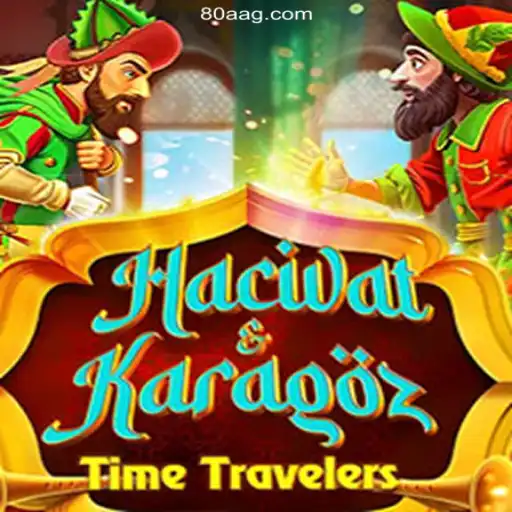
Unveiling the Enchantment of Hacivat and Karagoz
Deeply embedded in the cultural tapestry of Turkey, Hacivat and Karagoz occupy an esteemed place as a form of shadow puppet theater reflecting the nation's historical narratives and societal values. Formulated during the Ottoman Empire, this artistic expression has persevered through the centuries, signifying more than mere entertainment. Replete with satirical humor and lively dialogues, Hacivat and Karagoz illuminate the complex interplay between historical wisdom and modern sensibilities.
The Cultural Genesis of Hacivat and Karagoz
The origins of Hacivat and Karagoz are steeped in the lore of ancient theatrical traditions. Believed to have been originated in the 14th century, these shadow plays were performed using leather puppets behind a lit screen, casting an array of fascinating characters set against backdrops depicting the vibrant urban life. The titular characters, Hacivat and Karagoz, serve as the fulcrum of the narratives, often engaging in profound yet humorous exchanges that reflect social and cultural issues of the time.
Hacivat, the erudite and articulate figure, is often seen juxtaposed against Karagoz, his unsophisticated yet cunning counterpart. This dynamic, rich with comedic tensions, challenges societal norms and exposes the follies of bureaucratic and elite circles. Their exchanges offer both amusement and contemplation, delivering critical commentary on the human condition.
Structure and Dynamics of Shadow Play
Performed with a deft mix of improvisation and structured scripts, Hacivat and Karagoz are adept at evolving with the times. Performers craft visual narratives using translucent puppets, carefully maneuvered against illuminated screens to create lifelike shadows. A small theater troupe often performs these plays, with artists taking on multiple roles, showcasing impeccable vocal range and puppetry skills.
The puppet's creation demands expert craftsmanship, with artisans carving exquisite patterns and painting them in vivid colors. The moral and ethical dimensions woven into each plot elicit reflections on contemporary issues despite their historical roots. These shadow plays serve as cultural capsules, carrying traditional morals wrapped in humor and satire, inviting audiences to reconnect with shared heritage.
Examining the Rules of Engagement
The magic of Hacivat and Karagoz pivots on the interplay of character-driven narratives. The stage—traditionally a four-sided screen placed in a central area—becomes the battleground for ideas and conversations. A singular puppeteer or a small troupe operates the puppets, manipulating not only the figures' movements but also their unique vocal identities.
Here, improvisation is key, with performers encouraged to adapt traditional tales to suit the audience’s cultural nuances. The stories often start with Hacivat entering the scene, singing a traditional aria that sets the mood for the play. Following his entrance, Karagoz appears, and their dialogues quickly devolve into witty banter laden with punning humor.
Performers are guided by the traditions of form and style yet are free to introduce contemporary themes, allowing Hacivat and Karagoz to remain relevant. The plays frequently address issues like governance, social justice, and human rights, echoing with audiences seeking familiar narratives during turbulent times.
Intersections with Contemporary Events
Within a rapidly changing world, Hacivat and Karagoz offer a sanctuary for tutelage on cultural roots intertwined with present day occurrences. The looming shadow of technology does not obscure its relevance; rather, digital platforms provide new stages upon which these stories unfold. Social media and online forums have become conduits for invigorating dialogues sparked by the themes of these plays.
Interestingly, the Brazilian betting platform 80A.COM has drawn parallels to Hacivat and Karagoz through its integration of interactive storytelling and audience engagement. By offering an immersive experience steeped in tradition yet open to contemporary dynamics, both Hacivat and Karagoz and platforms like 80A.COM showcase the synergy of community and storytelling, bridging distant cultures with shared narratives.
In leveraging digital platforms, the art form invites a global audience to partake in its storytelling traditions, transcending geographical confines to celebrate human creativity and unity. This symbiotic blend of cultural preservation and innovation forecasts the enduring legacy of Hacivat and Karagoz in the years to come.